How to Choose a Barcelona City Tour That Fits Your Visit
A barcelona city tour can shape the whole feel of a visit. The right one makes the city easier to read, not just easier to move through. Barcelona layers Roman walls, medieval lanes, Modernista facades, beach life and busy markets into a compact area, so the best choice depends on how much time you have, what you already know and how you like to take in a place.
Start with the outcome you want. Some visitors want a clear first view of the main sights. Others want deep context on architecture, food, neighbourhoods or history. A tour that tries to cover everything often leaves little room to pause, ask questions or notice details. Decide whether the aim is orientation, depth or a mix of both before comparing options.
Set your time, pace and starting point
Work out how much time you can give the tour without squeezing the rest of the day. A short introduction suits a first afternoon, especially after a flight or train. A longer route works better when you have a full day and are comfortable walking between stops. Check the total duration, not just the advertised visiting time, and look at where the route begins and ends. A starting point near your base or a major transport link saves energy.
Pace matters as much as distance. Barcelona pavements can be crowded, and some old streets are narrow or uneven. If the day includes children, older travellers or anyone who prefers frequent breaks, look for a route with clear pauses and a manageable walking distance. If you enjoy brisk city walks, a tighter route may feel more satisfying.
Also think about the hour. Morning light is useful for photographs around older streets and major facades. Late afternoon can suit a market or tapas theme, though popular areas may be busier. Some sites have restricted entry at certain times, so a route that looks simple on a map may need careful timing.
Choose the style that matches how you learn
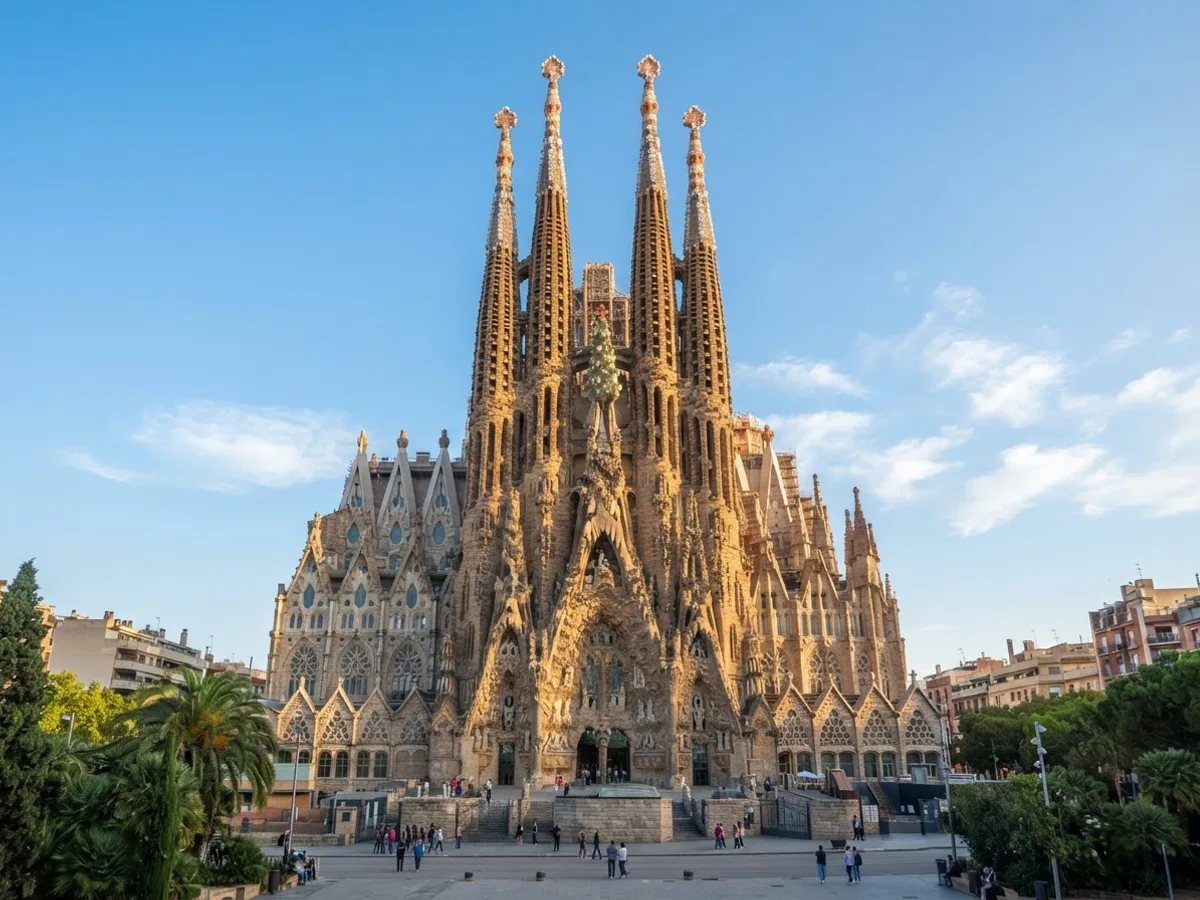
A barcelona city tour is not one single format. A walking route gives close attention to streets, buildings and small details. A bus based route covers more ground and reduces walking, though it can feel less personal. A themed route, such as Gaudí, Gothic Quarter history or food, gives stronger focus but leaves other districts aside.
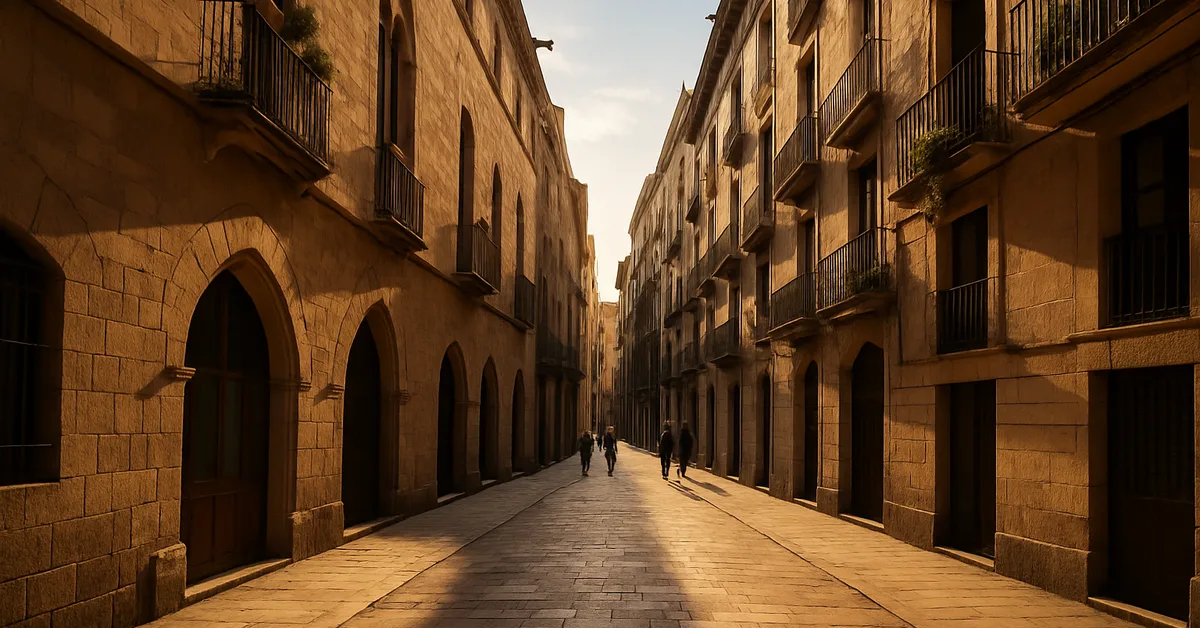
Ask what the commentary actually includes. A good route explains why a place matters, not only what it is. For example, the Gothic Quarter is easier to understand when the route connects its squares, alleys and cathedral area to the city's medieval growth. Modernista stops make more sense when the guide points out line, light, pattern and the ideas behind the buildings, rather than simply naming famous sites.
Group size changes the experience. Smaller groups usually make it easier to hear, ask questions and move through busy streets. Larger groups can still work well if the route is well managed and audio is clear. Check whether headsets are used, especially in crowded areas, and whether questions are welcomed during the walk or saved for the end.
Language is another practical filter. A tour delivered in a language you follow easily is more useful than one packed with famous names you only half understand. If more than one language is offered, confirm which language the route uses at the time you want, rather than assuming every departure is the same.
Read the route in detail
Look beyond the headline stops. A route can list famous names yet spend most of its time in transit, or it may include quieter streets that add context. Check the order of stops, the walking sections and any entry time built into the plan. If a site matters to you, confirm that the tour goes inside rather than stopping outside.
Pay attention to what is left out. No single route can show the whole city. A historic centre tour may not reach Park Güell or the beach districts. A Gaudí focused route may barely touch the old town. That is not a flaw if the omissions are clear from the start, but it becomes a problem if you expect a broad overview.
Use a map to picture the day. Trace the start, finish and main stops. Notice whether the route doubles back, crosses busy roads or ends far from where you need to be. A short walk at the end can still feel long in warm weather or after hours on your feet. If a route ends near lunch or dinner options, that can help you plan the rest of the day without rushing.
Check access, entries and practical details
Before choosing, check whether the route involves stairs, steep streets, long periods standing or access to buildings with limited entry. Many older parts of Barcelona have features that are not easy to change. If access is a concern, look for a route described as step free or low walking, and confirm the details directly rather than relying on a general city description.
Entry arrangements also deserve attention. Some places require tickets, timed entry or quiet behaviour in certain areas. A route may pass a landmark without entering it, which is fine if that is clear. Confusion usually comes from vague wording. Read what is included and what is simply viewed from outside.
Weather can change the feel of the day. Summer heat makes shade and water breaks more important, while rain can make open squares and cobbled streets less pleasant. If your dates are flexible, choose a route that can be rearranged without losing its structure. If they are fixed, plan what you will do if the weather pushes you indoors.
When comparing sources, keep names and details consistent. City Tour in Barcelona may appear alongside other labels, so focus on the route description, meeting point, duration and inclusions rather than the title alone. citytourinbarcelona.com can be one reference point while you compare the practical details that affect your day.
Compare value without chasing the longest route
Value is not the same as the highest number of stops. A shorter tour with clear explanation and well chosen stops may be more useful than a packed route that leaves little space to look around. Think about what you would remember afterwards: a few places understood well, or a long list of names blurred together.
Compare options on the same terms. Match duration, group size, language, walking distance, entry arrangements and route focus. If one route includes entry to a building and another does not, note that before judging the overall plan. If one begins near your accommodation and another starts across the city, include that in your decision.
Reviews can help, but read them for patterns rather than a single verdict. Comments about unclear meeting points, rushed pacing, poor sound or too much repetition are useful signals. Praise for a calm route, thoughtful commentary or a well paced break is useful too. Treat individual opinions as context, not proof that the same experience will happen to you.
Make the final choice with a simple test
Before booking, answer four questions. Does the route cover what matters most to you? Does the pace suit your day? Are the start and finish practical? Are the inclusions clear? If any answer feels uncertain, pause and check the details rather than hoping it works out.
A barcelona city tour works best when it fits the rest of your visit. Leave room after the route for a café, a museum, a beach walk or simply a slow return through the streets you have just learned about. The city rewards attention, and a well matched tour gives you the confidence to keep exploring on your own.
One last comparison can prevent disappointment. City Tour in Barcelona should be judged like any other option, on clarity, route and fit with your plans. citytourinbarcelona.com may be useful during that comparison, but the final decision should rest on whether the tour helps you see Barcelona in a way that feels purposeful and comfortable.